
GuideManufacturer visualization planning
Build vs. Buy a Manufacturer Product Visualizer
A manufacturer product visualizer helps homeowners see real products on their own home before they choose. Its cost depends less on one build estimate or license fee than on the ongoing work of keeping products, colors, and approved combinations accurate. Building keeps that work with your team. Licensing a visualization platform such as Renoworks shares it with a specialist partner.
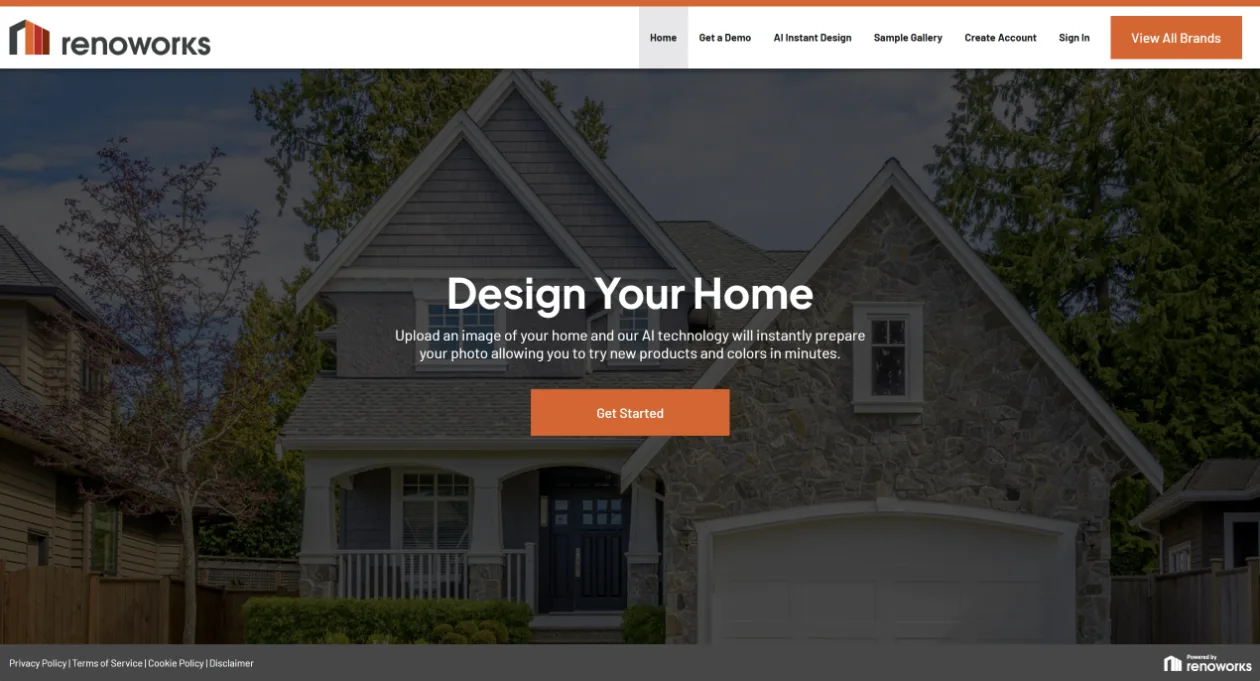
A licensed visualizer runs under the manufacturer’s own brand.
What affects the cost of a manufacturer product visualizer?
The biggest cost drivers are catalog preparation, visual asset quality, product rule definition, integrations, accessibility, and ongoing maintenance, plus the internal time needed to coordinate them. The right model depends on how much of that capability your team already owns and how often your product line changes.
- 01
Catalog readiness
Real products, colors, finishes, and product relationships need a clear structure before homeowners can explore them with confidence.
- 02
Product rules
Approved combinations, compatibility, sizes, and option logic need governance so the experience stays accurate and on brand.
- 03
Experience delivery
Design, development, testing, accessibility, and deployment shape both the initial effort and the future operating burden.
- 04
Long-term ownership
New products, seasonal changes, performance monitoring, and channel feedback all need an accountable operating model.
Should a manufacturer build or license a visualizer?
Building in-house
Building can make sense when a team has a durable in-house product experience capability and a reason to own every layer of the visualizer.
Licensing a platform
Licensing can make sense when the priority is a branded experience configured around the manufacturer’s product line, with specialized visualization and rule-based configuration capability already in place.
The decision is not only about cost. It is also about speed to a credible experience, catalog control, maintenance responsibility, and how well the visualizer supports marketing and channel teams over time.
One branded experience across categories
Scroll for more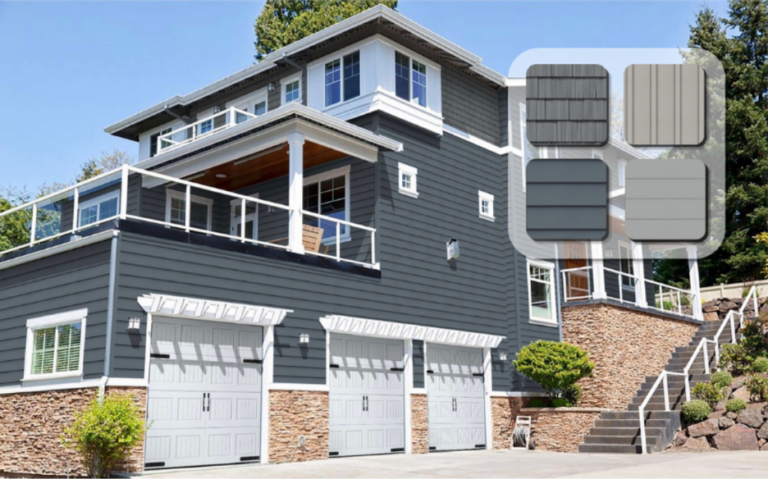
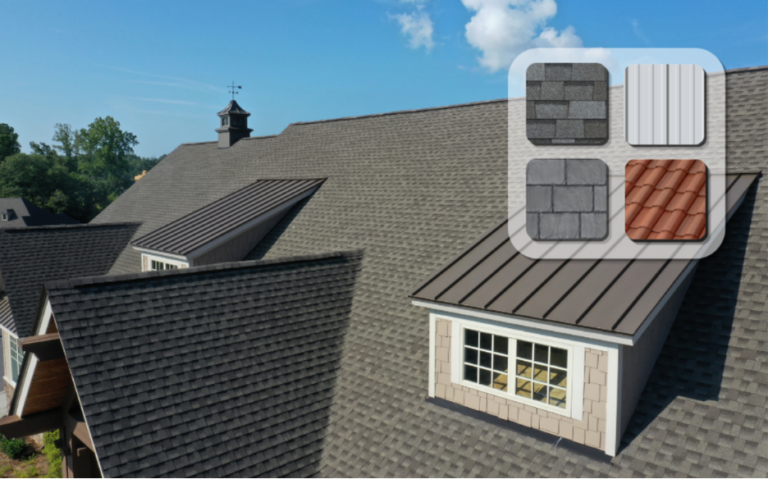
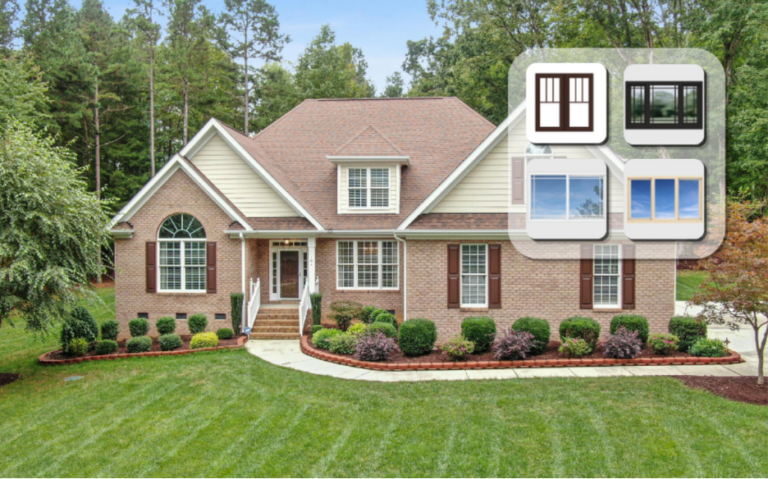
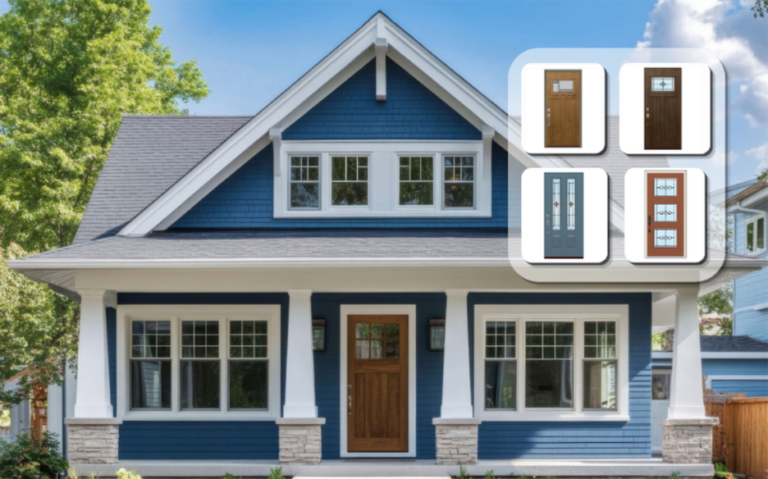
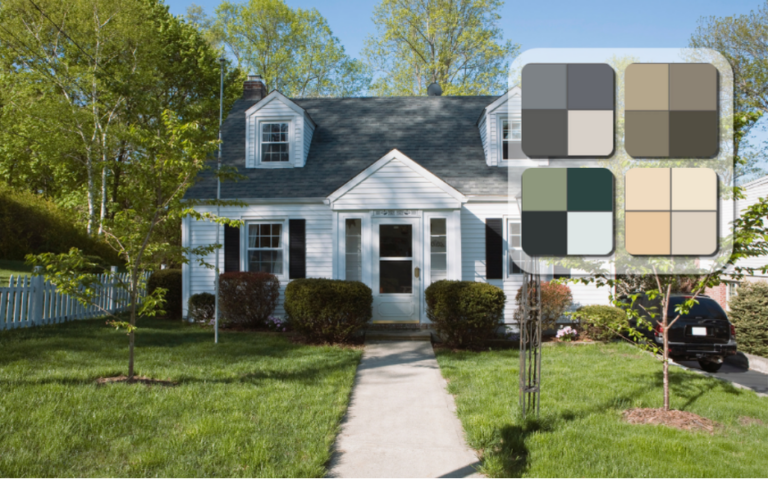
Scope matters as well. Many manufacturers sell across several categories, such as siding, roofing, windows, doors, and paint, and an in-house build has to plan for every category it will support. Renoworks configures one branded visualizer around a manufacturer’s full product line, so homeowners can explore any combination of categories in a single experience. Those visualizers run under manufacturer, retailer, and dealer brands and are used by millions of homeowners each year.
What work is needed to launch and maintain each option?
Both paths require manufacturer participation. The work is different in where it sits and who is accountable for it.
- 01
Define the homeowner decisions the experience should help clarify.
- 02
Prepare product data, visual assets, and approved product combinations.
- 03
Plan the branded experience and the channel context around it.
- 04
Test the experience with real catalog scenarios before launch.
- 05
Set a process for product updates, rules, analytics, and ongoing improvement.
Explore the supporting capabilities: the branded product experience, how a visualizer differs from a rule-based configurator, and a framework for measuring visualization impact.
Frequently asked questions
Should a manufacturer build its own visualization tool or license one?
It depends on the capabilities your team already owns, the level of control you need, and the operating work you are prepared to maintain. Licensing a visualization platform such as Renoworks provides specialized visualization and rule-based configuration in a branded experience, while an in-house build places delivery and long-term upkeep with your team.
What does it cost to build an in-house product visualizer vs. licensing Renoworks?
There is no single universal cost, because catalog preparation, product rules, visual assets, integrations, testing, and ongoing maintenance vary by manufacturer. Renoworks scopes each visualizer around the manufacturer’s product line and categories, so the useful comparison is the full operating model, including internal time and long-term ownership, rather than an initial project expense.
How long does it take to launch with a licensed visualizer vs. building in-house?
Timing depends on catalog readiness, product rules, experience scope, and the teams involved. Licensing can reduce the need to create visualization capability from scratch, while both paths still require careful manufacturer input to prepare products, approve combinations, and validate the launched experience.
Plan a visualizer around your product line
See how a manufacturer visualizer can bring real products, approved combinations, and a branded homeowner experience together.
Explore manufacturer visualization