Vinyl Siding Cost Overview (Quick Reference)
Vinyl Costs at a Glance
| Topic | Key Takeaway |
|---|---|
| Average vinyl siding cost | Most homeowners spend $6,000–$16,000 for a full installation |
| Cost per square foot | Typically $4–$12 per sq ft installed, depending on materials and labor |
| Main cost drivers | Home size, vinyl siding quality, labor rates, and installation complexity |
| Labor vs material split | Labor often accounts for 40–60% of total siding cost |
| DIY vs professional install | DIY lowers upfront cost; professional installation reduces risk and improves durability |
| Vinyl siding lifespan | Commonly 20–40 years with proper installation |
| Home value impact | Improves curb appeal and offers solid ROI compared to other siding materials |
Quick Cost Snapshot (TL;DR)
If you’re trying to understand vinyl siding cost without reading a full guide, this section gives you the fast, practical overview most homeowners are looking for.
Average Vinyl Siding Cost (Installed)
Typical range: $6,000–$16,000 for an average single-family home
Per square foot: Roughly $4 to $12 installed
National average: Around $10,000–$12,000 for materials and labor combined
These numbers reflect standard vinyl siding installation on a straightforward home with minimal repairs. Your final siding cost can land outside this range depending on home size, layout, labor rates, and the type of siding material you choose.
What Drives the Price Most
At a high level, vinyl siding cost is shaped by four main variables:
Home size & exterior surface area
Vinyl siding quality and thickness
Labor and installation complexity
Removal of old siding or surface repairs
Upgrading to thicker panels, insulated vinyl, or more decorative vinyl siding profiles will increase material costs, while multi-story homes or complex layouts increase labor.
Quick Cost by Home Size (Installed)
| Home Size | Estimated Cost Range |
|---|---|
| Small home (1,000–1,500 sq ft) | $5,000–$9,000 |
| Medium home (1,800–2,500 sq ft) | $8,000–$14,000 |
| Large home (3,000+ sq ft) | $12,000–$20,000+ |
These are planning estimates, not quotes. Regional labor rates and prep work can significantly shift totals.
Bottom Line
Vinyl remains one of the most affordable exterior siding material options when balancing upfront side cost, durability, and maintenance. For accurate pricing, homeowners should use these ranges as a baseline before factoring in local labor conditions, design choices, and installation details covered later in this guide.
Next, we’ll break down what vinyl siding actually is and why it’s priced the way it is.
What Vinyl Siding Is & Why It Matters
Before diving deeper into pricing, it helps to understand what vinyl siding actually is and why it continues to be one of the most common exterior siding choices for residential homes. The material itself—and what it’s designed to do—plays a major role in overall vinyl siding cost, performance, and long-term value.
What Vinyl Siding Is
Vinyl siding is a durable exterior siding material made primarily from PVC (polyvinyl chloride). It’s manufactured in long panels that lock together and attach to a home’s exterior sheathing, creating a protective and decorative outer layer.
Modern vinyl siding is designed to:
Protect the home from moisture, wind, and weather
Improve curb appeal with consistent color and texture
Reduce long-term maintenance compared to wood siding
Accommodate expansion and contraction with temperature changes
Unlike wood, vinyl does not need painting, sealing, or staining, which is one of the main reasons homeowners consider it when comparing siding costs.
Why Vinyl Siding Is So Widely Used
From a cost-to-benefit perspective, vinyl consistently ranks near the top for residential exterior projects. Its popularity is driven by a combination of affordability, versatility, and predictable installation costs.
Key reasons homeowners choose vinyl include:
Lower upfront siding cost compared to fiber cement or brick
Wide range of styles, colors, and textures
Resistance to rot, insects, and moisture damage
Minimal ongoing maintenance requirements
Because vinyl siding installation is relatively standardized, labor costs are also more predictable than with custom or masonry-based siding systems.
How Vinyl Siding Compares to Other Siding Materials
While vinyl is often the most budget-friendly option, it’s important to understand how it stacks up against other common exterior materials.
At a high level:
Vinyl siding offers the lowest average installed cost and easiest maintenance
Fiber cement costs more upfront but offers increased impact resistance
Wood siding provides a premium look but requires ongoing maintenance and higher long-term costs
Brick and stone are the most expensive and labor-intensive options
For homeowners focused on balancing appearance, durability, and overall vinyl siding cost, vinyl often delivers the strongest value proposition—especially for large exterior surfaces.
Why This Matters for Cost Planning
Understanding what vinyl siding is helps explain why pricing varies so widely. Factors like panel thickness, insulation backing, and profile style all affect material cost, while the home’s layout affects installation time.
In the next section, we’ll break down how vinyl siding costs are calculated, including the units, labor components, and regional factors that influence your final price.
How Vinyl Siding Costs Are Calculated
One of the biggest sources of confusion for homeowners is how contractors arrive at a final vinyl siding cost. Prices aren’t pulled from a single formula—they’re built from several measurable components that combine materials, labor, and project-specific variables.
Understanding this breakdown will make quotes easier to compare and help you spot where costs are justified versus inflated.
Units Used to Price Vinyl Siding
Vinyl siding is commonly priced using a mix of units, depending on whether the focus is materials, labor, or the full project.
The most common units include:
Per square foot – Used for total installed cost estimates
Per square (100 sq ft) – Common for material pricing in the siding industry
By home size or exterior surface area – Often used in consumer-facing estimates
A “square” equals 100 square feet of exterior wall surface, not interior floor space. This distinction matters because rooflines, multiple stories, and architectural features increase exterior surface area without increasing square footage inside the home.
Materials vs. Labor vs. Extras
A complete vinyl siding installation quote typically includes three main cost categories.
Material costs usually cover:
Vinyl siding panels
Starter strips, trim, and accessories
Fasteners and flashing
Material pricing varies based on thickness, style, and whether the vinyl is insulated or decorative.
Labor costs account for:
Installation time and crew size
Difficulty of access (height, layout, obstacles)
Regional contractor rates
Labor often represents 40–60% of total siding cost, especially on multi-story homes or complex exteriors.
Additional or variable costs may include:
Removal and disposal of old siding
Wall repairs or moisture remediation
House wrap or insulation upgrades
Permits and inspections (where required)
These items are often the reason two homes of similar size receive very different estimates.
Why Home Shape Matters More Than Home Size
Two homes with the same square footage can have very different vinyl siding costs.
Cost increases when a home has:
Multiple stories
Gables, dormers, or bump-outs
Tight clearances or limited access
Attached garages or additions
More surface area means more siding material, more cuts, and more labor time—sometimes significantly more.
Regional and Market Cost Differences
Location plays a major role in overall siding cost, even with the same materials.
Regional pricing differences are driven by:
Local labor rates
Climate-related installation requirements
Demand for contractors during peak seasons
Local building codes and permit fees
Urban areas and regions with short installation seasons tend to have higher labor costs than rural or year-round markets.
Why This Breakdown Matters
Knowing how vinyl siding costs are calculated helps you:
Compare contractor quotes accurately
Understand where upgrades add real value
Avoid underestimating total project cost
In the next section, we’ll break down vinyl siding costs in detail—by home size, material quality, and style—so you can see exactly how these variables affect real-world pricing.
Breakdown of Vinyl Siding Costs
Now that you understand how pricing is calculated, let’s look at vinyl siding cost in more concrete terms. This section breaks costs down by the variables that have the biggest real-world impact on what homeowners actually pay.
Rather than focusing on a single “average,” this breakdown shows where and why prices move.
Cost by Home Size
Home size—more specifically, exterior wall surface area—is one of the strongest predictors of total siding cost.
As a general planning reference for vinyl siding installation:
Small homes (1,000–1,500 sq ft): $5,000–$9,000
Medium homes (1,800–2,500 sq ft): $8,000–$14,000
Large homes (3,000+ sq ft): $12,000–$20,000+
These ranges assume standard vinyl panels and a relatively simple exterior. Homes with multiple stories, steep rooflines, or complex layouts will trend toward the higher end of each range.
Cost by Vinyl Siding Quality & Thickness
Not all vinyl siding is the same. Material quality—especially panel thickness—has a noticeable effect on both price and performance.
Typical tiers include:
Entry-level vinyl siding: Thinner panels, basic profiles, lowest material cost
Mid-grade vinyl siding: Thicker panels, improved durability, wider style selection
Premium vinyl siding: Maximum thickness, enhanced rigidity, richer textures
Thicker siding costs more upfront but resists warping, cracking, and wind damage better over time. For many homeowners, mid-grade vinyl strikes the best balance between price and longevity.
Cost by Style & Profile
Style choices influence both material cost and labor time.
Common vinyl siding styles include:
Traditional horizontal lap siding
Dutch lap profiles
Board-and-batten vertical siding
Shingle or shake-style vinyl
Decorative or specialty profiles generally cost more due to increased material usage and more detailed installation. Complex layouts can also increase waste, which affects overall vinyl siding cost.
Insulated vs. Standard Vinyl Siding
Insulated vinyl siding includes a foam backing that improves rigidity and thermal performance.
Compared to standard vinyl:
Material cost is higher
Installation costs may increase slightly
Energy efficiency and comfort improve
Insulated vinyl often appeals to homeowners in colder climates or those prioritizing long-term efficiency, but it isn’t necessary for every home.
Installation Complexity & Labor Impact
Labor costs rise when installation becomes more time-intensive. Factors that increase labor include:
Multi-story construction
Tight clearances or limited access
Architectural details requiring custom cuts
Attached garages, additions, or irregular walls
Even with the same siding material, labor differences alone can shift total siding cost by several thousand dollars.
Why This Breakdown Matters
Understanding these cost categories helps you:
See where upgrades actually affect pricing
Decide which features matter most for your home
Avoid overpaying for options that don’t add meaningful value
Next, we’ll zoom in further on the key cost factors—including labor rates, removal of old siding, repairs, and permitting—so you can anticipate expenses that aren’t always obvious at first glance.
Key Cost Factors Explained
Beyond materials and home size, several hidden or easily overlooked factors can significantly influence total vinyl siding cost. These variables often explain why two similar homes receive very different quotes—even when the same siding material is used.
Understanding these factors helps you evaluate estimates realistically and avoid surprises once work begins.
Labor & Contractor Rates
Labor is one of the largest components of vinyl siding installation and varies widely by region and contractor.
Labor costs are influenced by:
Local wage rates and contractor demand
Crew size and installation speed
Insurance, licensing, and overhead costs
In many markets, labor alone accounts for 40–60% of total siding cost. During peak seasons, high demand can push labor pricing even higher.
Removal of Existing Siding
If your home already has siding, removal and disposal often add to the project cost.
Removal costs depend on:
Type of existing siding (vinyl, wood, aluminum, fiber cement)
Number of layers to remove
Disposal fees in your area
Homes with damaged or poorly installed previous siding may require extra prep before new vinyl can be installed.
Wall Repairs & Surface Preparation
Vinyl siding must be installed over a solid, even surface. Any underlying issues typically need to be addressed first.
Common prep-related costs include:
Replacing damaged sheathing or wood rot
Addressing moisture or mold issues
Leveling uneven wall surfaces
While these repairs increase upfront siding cost, skipping them can shorten the lifespan of the new vinyl siding and lead to future problems.
Permits, Inspections & Local Codes
Some municipalities require permits or inspections for exterior siding projects.
Permit-related costs may include:
Application fees
Inspection scheduling
Code-specific installation requirements
While permits usually represent a small portion of total vinyl siding cost, they’re essential for compliance and resale value.
Seasonal & Regional Pricing Trends
Timing can affect what you pay.
Cost fluctuations often occur due to:
High demand in spring and summer
Limited installation windows in colder climates
Regional material availability
Scheduling work during slower seasons may offer modest savings, though weather conditions must still allow proper installation.
Why These Factors Matter
These cost factors are often where estimates diverge the most. Understanding them helps you:
Ask better questions when reviewing quotes
Compare contractors on equal footing
Budget realistically for the full project—not just materials
Next, we’ll look at DIY vs. professional vinyl siding installation, including when do-it-yourself installation makes sense and when hiring a contractor is the safer investment.
DIY vs. Professional Installation
One of the biggest decisions homeowners face when evaluating vinyl siding cost is whether to install it themselves or hire a professional contractor. While vinyl is often considered one of the more DIY-friendly siding materials, the cost savings—and risks—vary widely depending on the project.
When DIY Vinyl Siding Makes Sense
DIY installation can reduce total siding cost by eliminating labor, which is often the largest expense. In the right scenario, this can translate to meaningful savings.
DIY may be realistic if:
The home is single-story with simple, unobstructed walls
Existing siding is already removed or easy to take off
You have experience with exterior construction or renovations
You have the proper tools and time to complete the job correctly
For small projects, garages, or straightforward homes, DIY vinyl siding installation can lower upfront costs—though material waste and mistakes can offset some savings.
Risks and Limitations of DIY Installation
While vinyl siding is forgiving in some ways, improper installation can cause long-term issues that outweigh initial savings.
Common DIY risks include:
Improper fastening that restricts expansion and contraction
Poor alignment leading to visible waviness
Inadequate flashing around windows and doors
Moisture intrusion due to skipped prep steps
Mistakes may not be obvious immediately but can reduce siding lifespan or lead to hidden damage behind the panels.
What Professional Installation Includes
Hiring a professional increases vinyl siding cost, but it also reduces risk and typically improves long-term performance.
Professional vinyl siding installation usually includes:
Proper wall inspection and surface preparation
Correct spacing and fastening techniques
Flashing, trim, and accessory installation
Cleanup, disposal, and workmanship warranties
Experienced installers also work faster and minimize material waste, which can partially offset labor costs.
Typical Labor Cost Expectations
While rates vary, professional labor often adds:
$2–$6 per square foot, depending on complexity and location
Higher costs for multi-story homes or detailed architecture
For most full-home projects, professional installation provides better value when factoring in durability, resale impact, and peace of mind.
How to Decide What’s Right for You
DIY installation can reduce upfront siding cost, but professional installation often delivers better results for full-home projects. If your home has complex features, existing damage, or multiple stories, hiring a contractor is usually the safer and more cost-effective long-term choice.
Next, we’ll explore how to save on vinyl siding costs—including material selection strategies, timing tips, and smart ways to reduce expenses without sacrificing quality.
How to Save on Vinyl Siding Costs
Reducing vinyl siding cost doesn’t mean cutting corners. In most cases, smart planning and informed decisions can lower your overall siding cost without sacrificing durability, appearance, or long-term performance.
Below are the most effective ways homeowners can keep costs under control while still getting quality results.
Choose the Right Material—Not the Most Expensive One
Higher-priced vinyl doesn’t always mean better value for every home.
To manage vinyl siding cost:
Opt for mid-grade vinyl siding rather than entry-level or premium extremes
Focus on adequate thickness and durability, not decorative features you don’t need
Avoid upgrading styles on elevations that aren’t highly visible
For many homes, mid-range materials provide the best balance of performance and price.
Be Strategic With Style & Design Choices
Complex designs increase both material waste and labor time.
Cost-saving design decisions include:
Limiting specialty profiles to accent areas
Using consistent siding styles across most elevations
Avoiding unnecessary trim or decorative add-ons
Simpler layouts reduce installation time and help keep vinyl siding installation costs predictable.
Time Your Project Carefully
Seasonal demand affects labor pricing in many regions.
Ways timing can help lower costs:
Schedule installations during slower seasons if weather allows
Avoid peak spring and summer rush periods
Book early to lock in contractor availability
While seasonal discounts aren’t guaranteed, flexibility can improve your negotiating position.
Compare Quotes—But Look Beyond the Price
Getting multiple quotes is essential, but the lowest number isn’t always the best deal.
When comparing estimates:
Confirm what’s included (removal, prep, disposal, permits)
Ask about material thickness and grade
Verify warranty coverage and installation scope
A slightly higher quote may offer better long-term value if it includes critical prep work.
Reduce Costs Without Skipping Prep Work
One of the most expensive mistakes homeowners make is cutting necessary prep to save money.
Skipping:
Wall repairs
Moisture protection
Proper flashing
can lead to future repairs that exceed the original savings. Proper preparation protects your investment and extends the life of your vinyl siding.
Use Planning Estimates, Not Guesswork
Using rough averages alone often leads to under-budgeting.
Better planning strategies include:
Measuring exterior wall surface area accurately
Accounting for architectural complexity
Budgeting a contingency for repairs
Clear expectations upfront make it easier to control siding cost from start to finish.
Why Smart Savings Matter
Saving on vinyl siding cost is about making informed trade-offs—not choosing the cheapest option available. Strategic material choices, realistic planning, and careful contractor selection can reduce expenses while preserving quality.
Next, we’ll look at vinyl siding ROI and home value impact, including how siding affects resale value, efficiency, and long-term return on investment.
Vinyl Siding ROI & Home Value Impact
When evaluating vinyl siding cost, it’s important to look beyond the upfront price and consider what you get in return over time. For many homeowners, siding isn’t just a cosmetic upgrade—it’s an investment in protection, efficiency, and resale appeal.
How Vinyl Siding Affects Resale Value
Exterior improvements play a major role in first impressions, and siding is one of the most visible upgrades you can make.
New vinyl siding can improve home value by:
Enhancing curb appeal immediately
Signaling lower maintenance needs to buyers
Making the home look newer and better cared for
While vinyl siding may not return 100% of its cost at resale, it consistently ranks as one of the higher-ROI exterior remodeling projects due to its relatively low siding cost compared to other materials.
Cost vs. Value Considerations
From a return-on-investment standpoint, vinyl performs well because:
Material and installation costs are lower than most alternatives
Maintenance expenses are minimal over the life of the siding
Buyers recognize vinyl as a durable, practical exterior solution
In many markets, homeowners recoup a meaningful portion of their vinyl siding installation cost when selling—especially if the previous siding was worn, faded, or damaged.
Energy Efficiency & Long-Term Savings
While standard vinyl siding is not a primary insulation system, it still plays a role in overall home performance.
Vinyl siding can contribute to:
Reduced air infiltration when properly installed
Improved moisture control and wall protection
Additional efficiency gains when paired with insulated vinyl or upgraded house wrap
Over time, these benefits can help stabilize indoor temperatures and reduce energy waste, adding indirect value beyond resale.
Maintenance Savings Over Time
One of vinyl’s strongest long-term advantages is low maintenance.
Compared to other siding materials, vinyl:
Does not require painting or sealing
Resists rot and insect damage
Maintains color without frequent upkeep
Lower maintenance costs over 20–30 years help offset initial vinyl siding cost, making it a practical long-term choice for many homeowners.
When Vinyl Siding Makes the Most Financial Sense
Vinyl siding offers the strongest ROI when:
Replacing visibly aged or damaged siding
Preparing a home for future resale
Balancing affordability with durability
Minimizing long-term maintenance expenses
For homeowners focused on value rather than luxury finishes, vinyl often delivers the most predictable financial return.
Next, we’ll answer common vinyl siding FAQs—covering lifespan, durability, maintenance expectations, and other questions homeowners typically ask before moving forward.
Common Vinyl Siding FAQs
This section answers the most common questions homeowners ask when researching vinyl siding cost and installation. If you’re weighing options or preparing to get quotes, these quick answers can help clarify expectations.
How long does vinyl siding last?
Quality vinyl siding typically lasts 20 to 40 years, depending on material thickness, installation quality, climate exposure, and maintenance. Thicker panels and proper installation generally extend lifespan.
Is vinyl siding cheaper than other siding materials?
Yes. Vinyl is usually one of the most affordable exterior siding materials in terms of both upfront siding cost and long-term maintenance. Fiber cement, wood, brick, and stone all cost more to install and maintain.
Can vinyl siding be installed over existing siding?
In some cases, yes—but it depends on the condition and type of existing siding. Installing over old siding can reduce removal costs, but underlying damage, uneven surfaces, or moisture issues must be addressed first. Skipping proper prep can shorten the life of new vinyl siding.
Does vinyl siding increase home value?
New vinyl siding installation can improve curb appeal and resale value, especially if the existing siding is worn or damaged. While it may not fully recoup its cost at resale, vinyl typically offers a solid return relative to its lower upfront price.
Is insulated vinyl siding worth the extra cost?
Insulated vinyl siding costs more than standard vinyl, but it can improve rigidity, comfort, and energy performance. Whether it’s worth it depends on climate, budget, and whether energy efficiency is a priority for your home.
How much maintenance does vinyl siding require?
Very little. Vinyl siding does not need painting or sealing. Occasional cleaning with water and mild detergent is usually enough to maintain appearance and performance.
Why do vinyl siding quotes vary so much?
Quotes vary due to differences in:
Home size and exterior complexity
Labor rates and contractor experience
Material thickness and style
Prep work, repairs, and removal needs
Understanding what’s included in each estimate is key to comparing true vinyl siding cost.
Final Thoughts & Next Steps
Vinyl siding remains one of the most practical exterior upgrades for homeowners who want to balance affordability, durability, and curb appeal. While vinyl siding cost can vary widely, understanding how pricing works—and what drives it—puts you in a much stronger position to plan and budget accurately.
If you’re considering new siding, the next step is to:
Measure exterior wall surface area
Decide which material features actually matter for your home
Gather multiple detailed installation quotes
With the right information and expectations, vinyl siding can be a smart, long-term investment in your home’s appearance and protection.
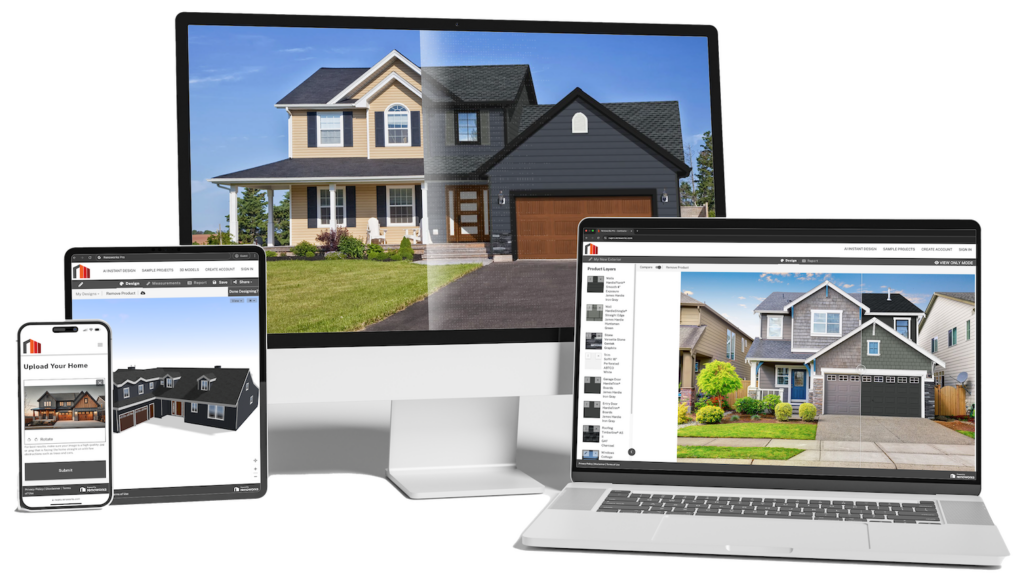
HOME VISUALIZER TOOL
Still Imagining? Start Designing.
Visualize your home — for free. Instantly explore siding styles, colors, and renovations with just one photo. No forms. No pressure. Just results.
Related Articles
Explore more tips and insights to help you make smart exterior renovation decisions. These articles dive deeper into siding options, roofing strategies, and cost-effective upgrades for your home.